How to speed up your checkout line: why seconds matter
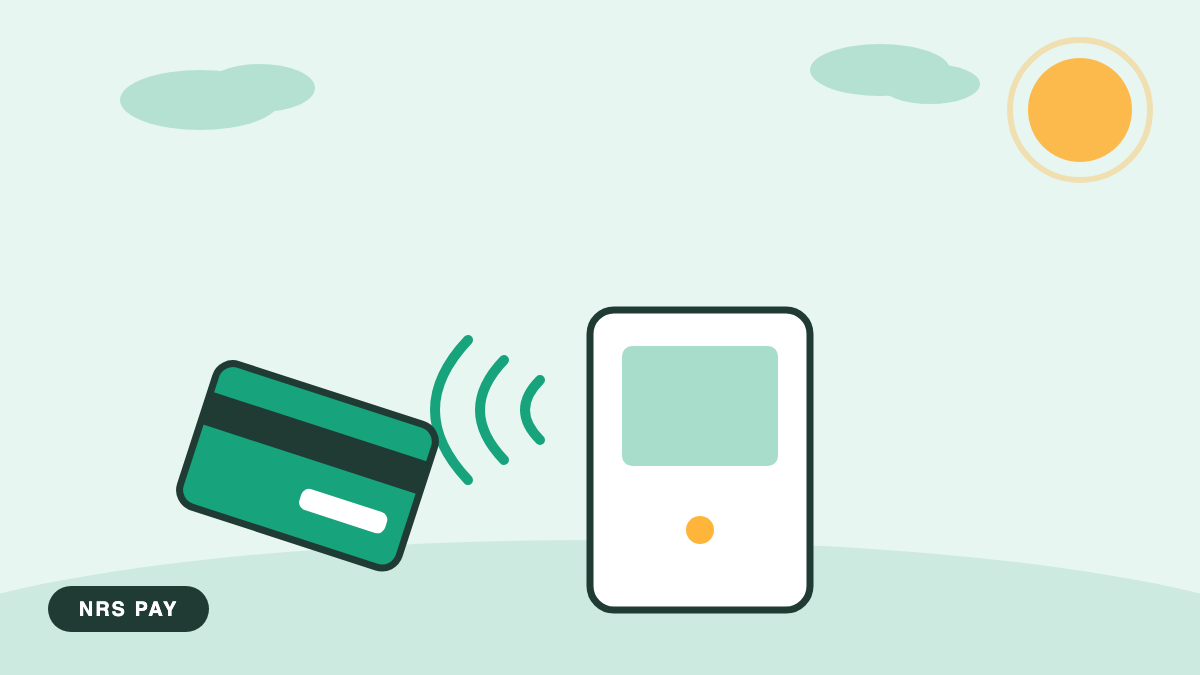
It's 5:40 on a Friday and the line is six deep. To speed up a checkout line, you win back seconds in three places: scanning, payment, and the clutter between them. Tap-to-pay, a register that talks to the card reader, and a few unglamorous counter habits decide whether that line breathes or builds.
Meanwhile, the customer up front is fishing through a bag for a card, someone in the middle is eyeing the door, and the ice cream in basket number four is on the clock.
Why do seconds matter so much?
Because they multiply. Here's a hypothetical worth doing on a napkin: shave ten seconds off each transaction, run a hundred transactions in an evening, and you've found nearly seventeen minutes of line time. That's the difference between a line that keeps moving and a line that stacks up. And a stacked line does quiet damage no report will ever show you, because the person who glanced through the window and kept walking doesn't leave a receipt.
None of this means rushing anyone. The hello stays. The chat with the regular stays; that's the good part of the job. The target is dead air, not warmth: the retyped total, the hunt for a price, the reader that takes an extra beat on every single card.
Where do checkout seconds actually go?
Watch your own counter for twenty minutes and you'll see it. A price check because a shelf tag wandered off. A total typed into the card reader by hand, twice, because the register and the reader don't talk to each other. The receipt printer's death rattle mid-transaction. The tap that should take two seconds turning into a chip dip, then a swipe, then an apology, because the reader is getting old.
Each one is small. Together, they're why the line is six deep at 5:40 instead of three.
What's the fastest way to take a payment?
Tap leads: contactless cards and phone wallets clear in a couple of seconds. Chip is steady and sure. Cash is as fast as your counting and your change drawer. The biggest win, though, is integration. When your payments run through your POS (point of sale) system, the total flows straight to the reader the instant the last item scans. No retyping, no transposed digits, no pause while two machines wait for a human to introduce them.
NRS Pay integrates with the NRS POS for exactly this, and if your current reader has gotten slow or cranky, NRS Pay includes a free card reader with signup. The equipment page has the current lineup.
Small habits that add up
Bag while the reader works; those seconds run in parallel for free. Keep shelf tags current so price checks stay rare. Keep a spare receipt roll at the register, not in the back room next to the mop. Clear the counter clutter so there's somewhere to set a basket down. Teach every shift how to restart the reader. And open the second register before the sigh, not after; by the time you hear it, you're already late.
Almost none of this costs money, which is the point. Speed at checkout is mostly arrangement and habit, and the expensive part, a register and reader working as one machine, you set up once and then simply keep.
Do the unglamorous stuff and the line moves. The Friday rush will never be calm, exactly, but there's a version of it where the ice cream makes it home solid, and that version is built out of seconds. If you'd like an experienced set of eyes on your counter setup, the NRS Pay team is around seven days a week.
Frequently asked questions
What's the single fastest payment method at the register?
For cards, tap. Contactless cards and phone wallets clear in about two seconds without PINs or inserted cards. Cash can be quick with practiced hands and a stocked change drawer. The slowest method going is any total typed by hand into a standalone reader.
Does an integrated POS really speed up checkout?
Yes, and it's mostly about what disappears: retyped totals, mismatched amounts, and the pause between register and reader. The total moves automatically the moment scanning finishes. It also cuts errors, and one avoided $45-instead-of-$4.50 mistake pays for a lot of saved seconds.
When should I open a second checkout lane?
Watch your rush patterns for a week, then staff to the pattern rather than the average. Practically, if the line regularly reaches four or five people during predictable windows, that window has earned a second register. Opening it ten minutes before the rush beats opening it during.