How credit card processing works, step by step
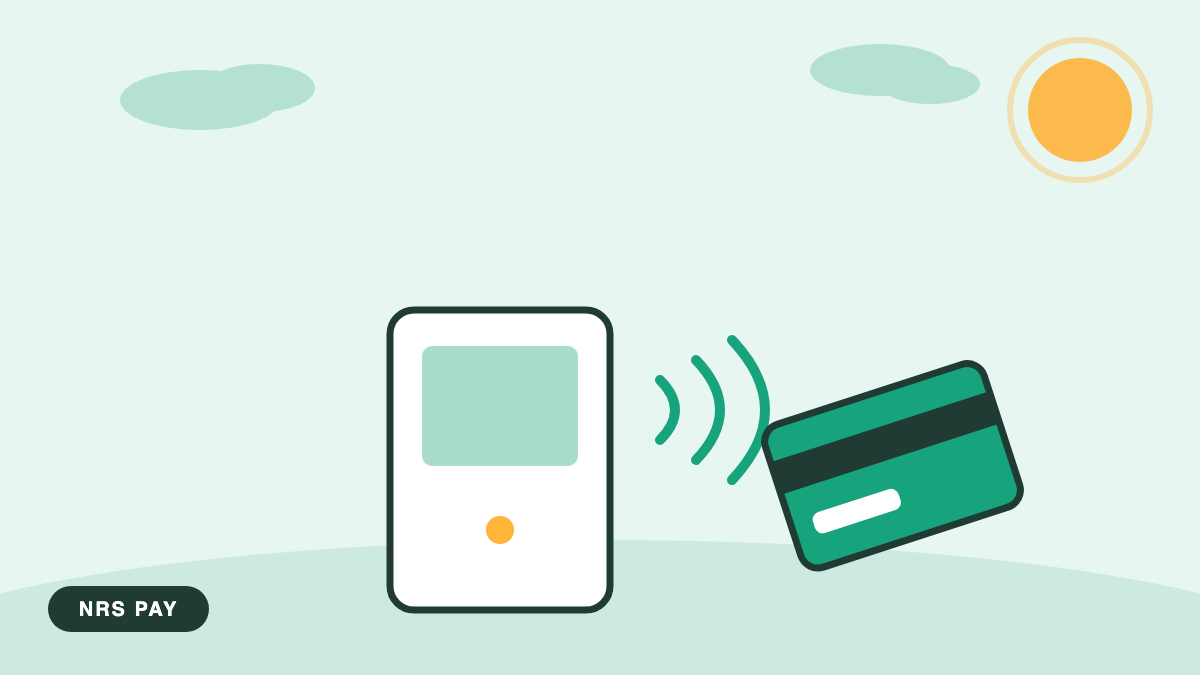
What actually happens in the two seconds between a customer tapping a card and your terminal flashing approved? Short answer: the reader encrypts the card, sends it through your processor to the customer's bank, and that bank says yes or no. The money itself moves later, usually overnight, in a step called settlement.
Knowing the route matters. When a deposit looks short or a customer swears they were charged twice, the owner who understands the steps solves it in one phone call instead of three.
The six steps, start to finish
- The register totals the sale and hands the amount to the card reader. If you use a point of sale, or POS, the register system that scans items and tracks sales, this happens automatically.
- The customer taps, dips, or swipes. The reader encrypts the card details on the spot, so the raw number never sits in your store.
- The encrypted transaction travels to your processor, which routes it to the card network on the front of the card.
- The network passes it to the issuing bank, meaning the bank that gave the customer that card.
- The issuing bank checks the account, runs its fraud screens, and sends back an approval or a decline. This round trip is the part that takes about two seconds.
- At close of day, your approved sales are grouped into a batch, submitted for settlement, and the money starts moving toward your bank account, minus fees.
That's the whole machine. Now the parts that trip people up.
What is authorization, exactly?
Authorization is a promise, not a payment. When the terminal says approved, the issuing bank has confirmed the card is good for the amount and has set that money aside. Nothing has been transferred yet. That's why a customer can see a pending charge on their phone while your bank account shows nothing.
An authorization can also expire. If a sale never gets batched, the hold falls off and nobody gets paid. Rare, but it's the reason your terminal needs to close its batch every day, either on its own schedule or with a button press at closing time.
When does the money reach your bank?
After the batch goes in, settlement runs. The card networks sort out who owes what, the issuing banks release the funds, and your processor deposits your money. For many stores that means the money lands the next business day or the one after, though timing depends on your processor, your bank, and when your batch closes each night.
The deposit arrives minus fees, or the fees come out separately, depending on how your plan is set up. Either way, this is where interchange gets paid, interchange being the fee the card-issuing bank collects on every card transaction. Your processor's markup rides along with it.
A concrete habit worth building: compare one day's batch total to the deposit that follows it. Do it once a month. If the two stop lining up, you'll catch it in days instead of quarters.
Why should a store owner care?
Because every payment problem lives at one specific step. Card declined? That's step five, the issuing bank, not your equipment. Deposit missing? Look at batching first. Customer disputing a charge? That's a settlement-side issue, and the paper trail from your terminal is your defense.
Owners who know the route also buy better. When a salesperson promises faster money or lower fees, you can ask exactly which step they've improved. The answer is often enlightening.
Frequently asked questions
Why was a card approved but the money isn't in my account?
Because approval and payment are separate steps. Authorization sets the money aside at the customer's bank. It only moves after your batch settles, which typically means the next business day or two. If a deposit is more than a couple of days late, check that your batch actually closed, then call your processor.
What does batching mean in card processing?
A batch is the day's stack of approved card sales, submitted together for settlement, usually at closing time. Until the batch closes, sales sit as authorizations and no money moves. Most terminals close batches automatically. If yours doesn't, closing it daily should be part of shutting down the store.
Is a tap processed differently from a chip dip?
The route is the same: reader to processor to network to issuing bank. Tap-to-pay uses contactless technology that's built to be quick, and it carries the same encryption protections as a chip. For the line at your counter, the practical difference is speed, and tap wins.
If your current reader is slow at any of these steps, look at the card readers NRS Pay offers, or ask the NRS Pay team what would fit your counter.